

My #StarTrekVoyager Rewatch S1E02 “Caretaker Part 2”
The 2nd half of “Caretaker” starts with a log entry as the 2 ships enter a debris field. We meet Neelix. He exudes a real used car salesman vibe but knows stuff and will work for water. I laugh every time I see Neelix greet Tuvok.
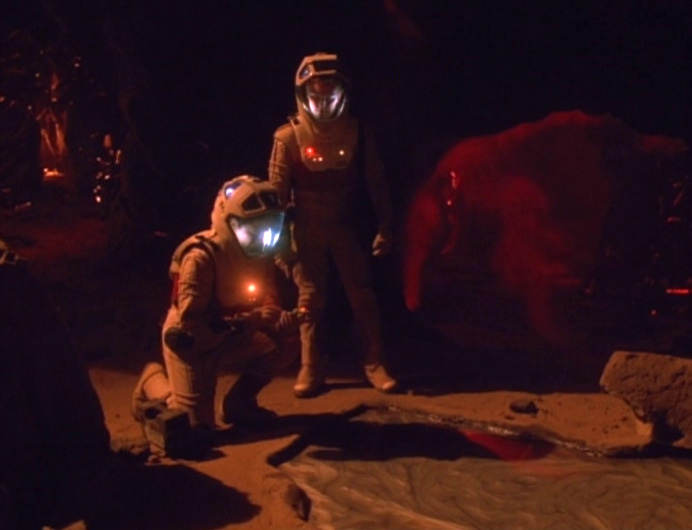
Origin stories, like this one, can drag on, with introductions & statements of the obvious superseding the story. Still, I laugh when I realize the Ocampa live in a mall and that they brought Harry and B’Elanna to the food court. Are they building a climate change metaphor?

Tuvok, right out of the gate is the funny one.
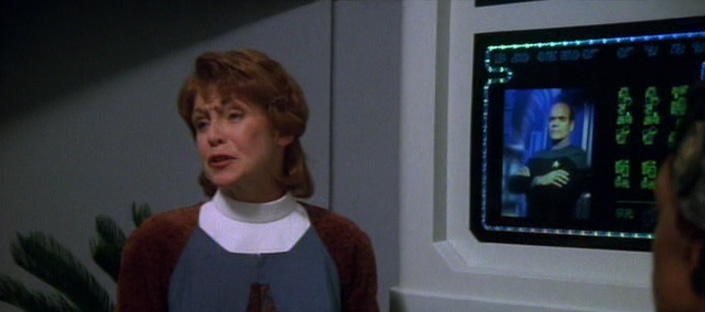
Sigh. The Kazon. I don’t like the Kazon. Kes makes little impression at first, but it’s better when she starts playing Jiminy Cricket for Neelix. We learn the Ocampa are in decline due to over-dependence on the Caretaker.
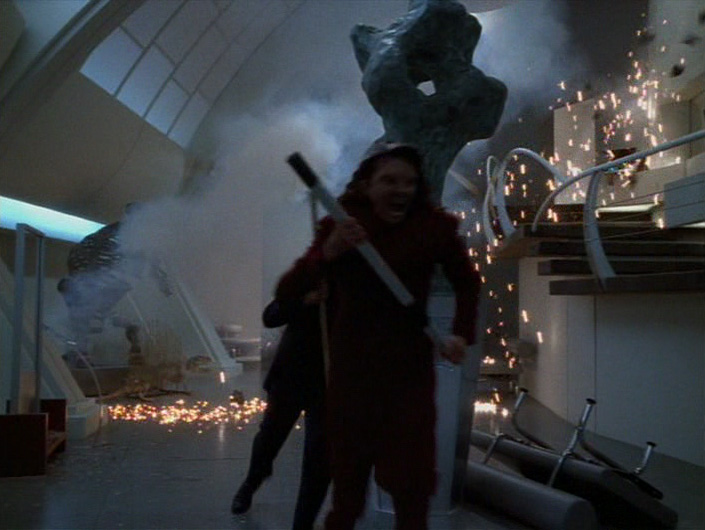
Kes acts like the leader the Ocampa needs. Tuvok does the Spock thing and explains everything to the audience. Then it becomes a mad dash to leave the planet, with Janeway and Chakotay standing on what looks like the bridge that killed Kirk. The exchange between Paris and Chakotay on the bridge is kind of amusing but crosses a bit of a line. They still manage to defeat the killer bridge!
This show needs more Picardo. His mobile emitter can’t get here soon enough. The ship already looks pristine despite getting trashed on its way to the Delta Quadrant.
The Kazon are simplistic idiots, setting an unfortunate precedent for the show. We weakly cycle back to the climate issue with the obvious. The Caretaker’s tech destroyed the Ocampa’s environment. The language we use to discuss these issues has changed in 30 years.

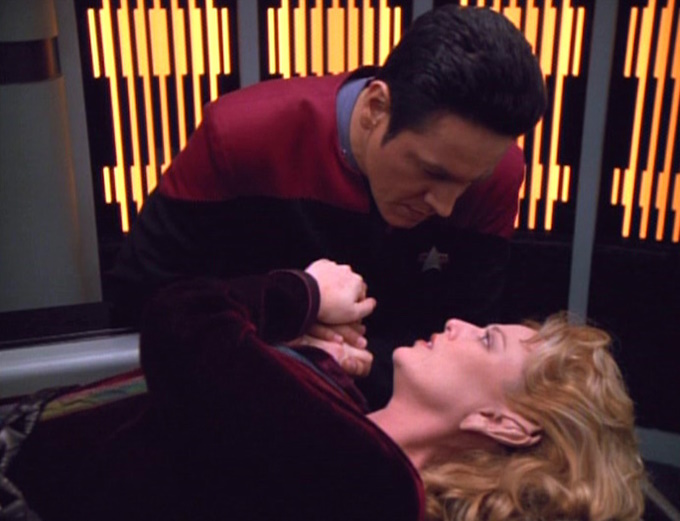
The Caretaker is abducting people and trying to procreate with them. We have new terminology for that too. Part 2 isn’t as strong as Part 1, leaving important issues on the table. Everything comes together too conveniently in the end.
Still, it’s a decent episode that does what it needs to do to set up the show. The whole of “Caretaker” is much better than this installment on its own.
Images used under the fair use doctrine.














 Comics, the Universe, and Everything